

Intel Core i7 14700KF 3.4 GHz 14th Gen VS Intel Core i7 14700K 3.4 GHz 14th Gen Processor

Intel Core i7 14700KF 3.4 GHz 14th Gen VS Intel Core i7 14700K 3.4 GHz 14th Gen Processor
Table of Contents
- Introduction
- Overview of the Intel Core i7-14700KF Processor
- Overview of the Intel Core i7-14700K Processor
- Key Specifications at a Glance
- Performance Comparison
- Graphics Capabilities: Dedicated vs Integrated
- Power Consumption and Thermal Design
- Advanced Technologies and Features
- Use Cases and Target Audience
- Price and Value Proposition
- Conclusion
Introduction
Intel’s 14th generation Raptor Lake processors have taken the desktop computing world by storm. Among the lineup, the Intel Core i7-14700KF and i7-14700K are two premium processors catering to high-performance enthusiasts. Although they share many similarities, subtle differences in specifications and features can influence their suitability for specific use cases. In this detailed comparison, we will dive deep into their architecture, performance, power consumption, and value to help you decide which processor best meets your needs.
Overview of the Intel Core i7-14700KF Processor
The Intel Core i7-14700KF is a powerhouse processor designed for enthusiasts who use dedicated GPUs. It features:
- 20 Cores: 8 performance cores (P-cores) and 12 efficient cores (E-cores).
- Base Frequency: P-cores at 3.4 GHz and E-cores at 2.5 GHz.
- Turbo Frequency: P-cores up to 5.5 GHz and E-cores up to 4.3 GHz.
- Smart Cache: A generous 33 MB Intel® Smart Cache and 28 MB L2 cache.
- Memory Support: Up to 192 GB DDR5 at 5600 MT/s or DDR4 at 3200 MT/s.
- TDP: 125 W base power with a peak of 253 W.

As a "KF" processor, it lacks integrated graphics, making it ideal for users with discrete GPUs.
Overview of the Intel Core i7-14700K Processor
The Intel Core i7-14700K offers nearly identical specifications but with the addition of Intel UHD Graphics 770. Key highlights include:
- Graphics Support: Integrated UHD Graphics 770 with a base frequency of 300 MHz and a dynamic frequency up to 1.6 GHz.
- Display Capabilities: Supports resolutions up to 7680 x 4320 (8K) and advanced features like HDMI 2.1, DP 1.4a, and eDP 1.4b.
- Other Specs: Matches the 14700KF in core count, frequencies, cache, and memory support.
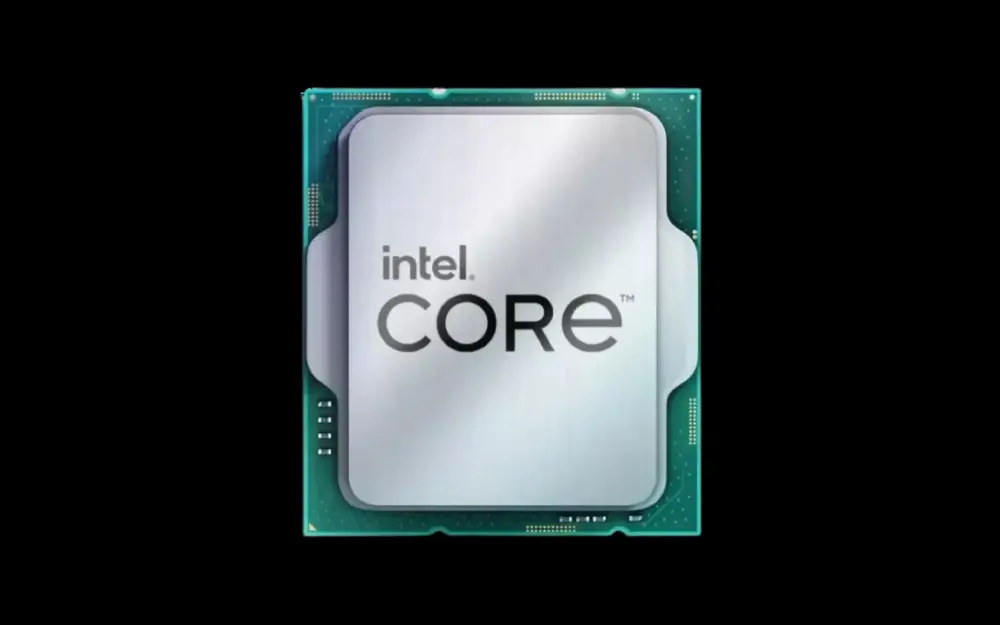
This makes the 14700K an attractive option for users who might need integrated graphics as a backup or for less GPU-intensive tasks.
Key Specifications at a Glance
|
Feature |
Intel Core i7-14700KF |
Intel Core i7-14700K |
|
Total Cores (P/E) |
20 (8P + 12E) |
20 (8P + 12E) |
|
Total Threads |
28 |
28 |
|
Base Frequency (P/E) |
3.4 GHz / 2.5 GHz |
3.4 GHz / 2.5 GHz |
|
Turbo Frequency (P/E) |
5.5 GHz / 4.3 GHz |
5.5 GHz / 4.3 GHz |
|
Cache |
33 MB L3, 28 MB L2 |
33 MB L3, 28 MB L2 |
|
Graphics |
None |
Intel UHD Graphics 770 |
|
Memory Support |
DDR5 5600 MT/s, DDR4 3200 MT/s |
DDR5 5600 MT/s, DDR4 3200 MT/s |
|
PCIe Version |
5.0 and 4.0 |
5.0 and 4.0 |
|
TDP (Base/Max) |
125 W / 253 W |
125 W / 253 W |
Performance Comparison
Core and Thread Configuration
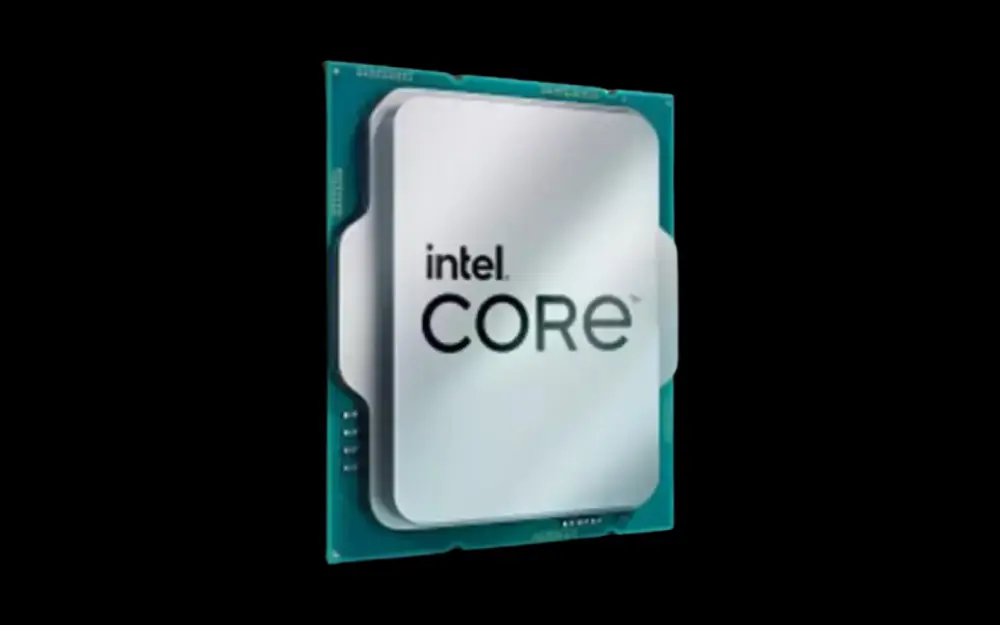
Both processors come with 20 cores and 28 threads, divided into 8 performance cores and 12 efficient cores. The efficient cores handle background tasks, while performance cores tackle intensive workloads, ensuring smooth multitasking.
Base and Turbo Frequencies
The base and turbo frequencies for both processors are identical, with:
- Performance Core Base: 3.4 GHz
- Efficient Core Base: 2.5 GHz
- Performance Core Turbo: 5.5 GHz
- Efficient Core Turbo: 4.3 GHz
These frequencies make both CPUs highly capable for gaming, rendering, and productivity tasks.
Cache and Memory Support
Both CPUs feature 33 MB of L3 cache and 28 MB of L2 cache, enabling faster access to frequently used data. They support up to 192 GB of DDR5 memory with speeds up to 5600 MT/s, or DDR4 memory at 3200 MT/s, ensuring compatibility with existing and future hardware.
Graphics Capabilities: Dedicated vs Integrated
The primary difference lies in graphics:
- i7-14700KF: No integrated graphics. Requires a dedicated GPU.
- i7-14700K: Includes Intel UHD Graphics 770, capable of handling basic display tasks, video playback, and light gaming. It supports up to 4 displays and resolutions up to 8K.
For users relying on dedicated GPUs, the lack of integrated graphics in the "KF" model is irrelevant. However, those seeking a backup option may prefer the "K" model.
Power Consumption and Thermal Design
Both processors have a base power of 125 W, with a maximum turbo power of 253 W. These figures indicate substantial power demands under load, requiring robust cooling solutions such as high-quality air or liquid coolers to maintain optimal performance and temperature.
Advanced Technologies and Features
Shared features include:
- Intel Thread Director: Optimizes workload distribution across cores.
- Intel Turbo Boost Max Technology 3.0: Prioritizes high-performance cores for critical tasks.
- Intel Deep Learning Boost: Accelerates AI workloads.
- PCIe 5.0 and 4.0 Support: Offers faster data transfer speeds for modern GPUs and storage devices.
- Virtualization and Security: Includes Intel® VT-x, VT-d, AES-NI, and Boot Guard for enhanced security and virtualization performance.
Use Cases and Target Audience
- Intel Core i7-14700KF: Best for gamers, streamers, and professionals with dedicated GPUs seeking raw power without the need for integrated graphics.
- Intel Core i7-14700K: Ideal for users requiring versatile systems, light gaming without a GPU, or as a backup when dedicated graphics are unavailable.
Price and Value Proposition
The i7-14700KF is slightly more affordable, priced at AED 1,450.00, compared to the i7-14700K, which costs AED 1,515.00. For budget-conscious buyers with dedicated GPUs, the "KF" variant offers better value. However, the integrated graphics in the "K" model justify the premium for users needing flexibility.
Conclusion
Both the Intel Core i7-14700KF and i7-14700K are stellar choices for enthusiasts, offering cutting-edge performance and features. The decision boils down to whether you need integrated graphics. If you rely entirely on a dedicated GPU, the i7-14700KF provides exceptional performance at a slightly lower cost. On the other hand, the i7-14700K offers greater versatility with its integrated graphics, making it a well-rounded choice for general-purpose and workstation users. Choose based on your specific needs and budget.
Discussion (0)
No comments found.
Post a Comment
Your email address will not be published.